About Lilian Chesneau Ciccarelli, Product Designer UX/UI
I design details no one noticesand that's the whole point.

Lilian Chesneau Ciccarelli
Product Designer · Auvergne-Rhône-Alpes, France
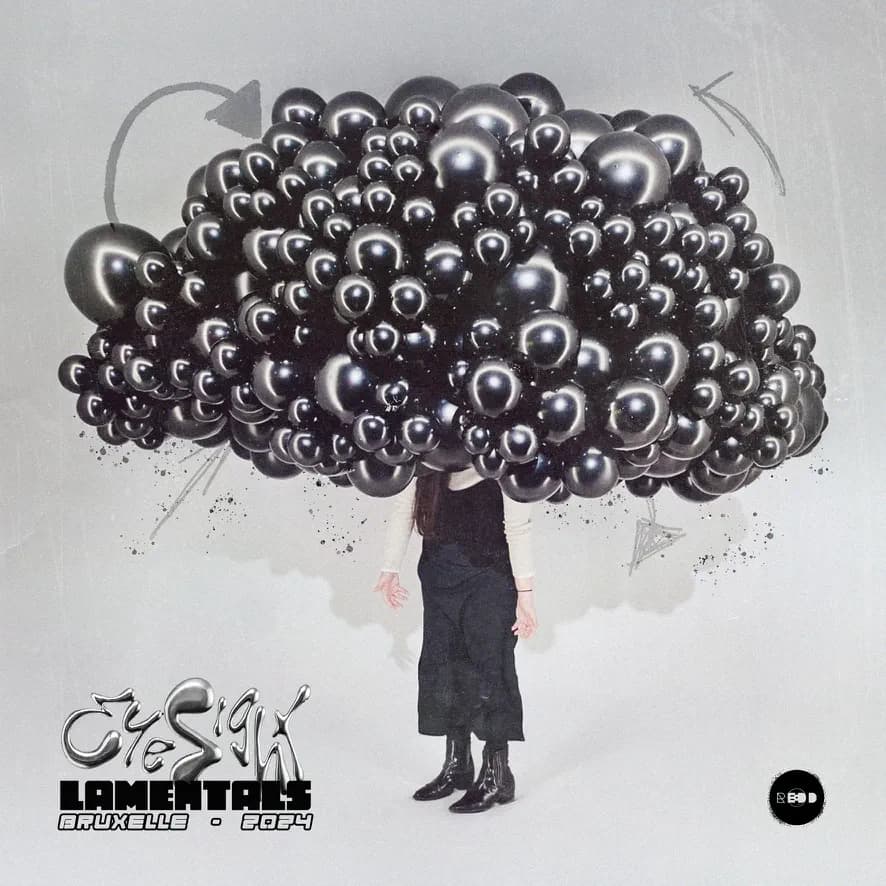
What's currently living in my headphones
Every product decision I make starts with a question, not an opinion. User interviews, usability testing, watching how people actually behave instead of guessing how they should. Skip that step and you're not designing - you're decorating an assumption, and assumptions don't survive contact with real users.
Before an interface exists, there's an identity to define. I've built a brand system from a blank page - logo, colour, typography, the documentation that keeps it consistent - and watched it still run across five-plus templates years later. A product without a coherent identity is a product people forget the moment they close the tab.
Graphic design is where that identity becomes something people can actually use. Layout, hierarchy, iconography - the visual decisions that tell someone where to look first and why. It's the layer most teams underfund, and the one that decides whether a brand guideline survives contact with a real screen.
UX/UI is the discipline most people associate with my title, and for good reason. Wireframes, flows, interaction patterns - the difference between an interface that explains itself and one that needs a tutorial. Good UX is invisible by design: nobody thanks you for the friction they never had to feel.
Design systems are where all of that gets codified, and it's the part I specialize in. One token system, two teams building on it, handoff friction down an estimated 30% once every decision - brand, interface, build - started pointing at the same source. That's the real return on consistency: fewer arguments repeated on every screen.
None of it matters if it doesn't ship, which is why I stay close to engineering. I'm fluent in Figma and comfortable in Vue and React, and I'd rather sit beside a developer than hand over a file and disappear. Design and engineering are solving the same problem whether the org chart admits it or not.
What separates considered work from merely functional work is almost never visible. An error label worded with care. The timing on a transition. What a component gets named, and whether that name still makes sense a year later. None of it shows up in a screenshot. All of it shows up in how a product feels to use.
3+ years between users and developers,and trying my best to make them work together.
where i've been_
where i've studied_
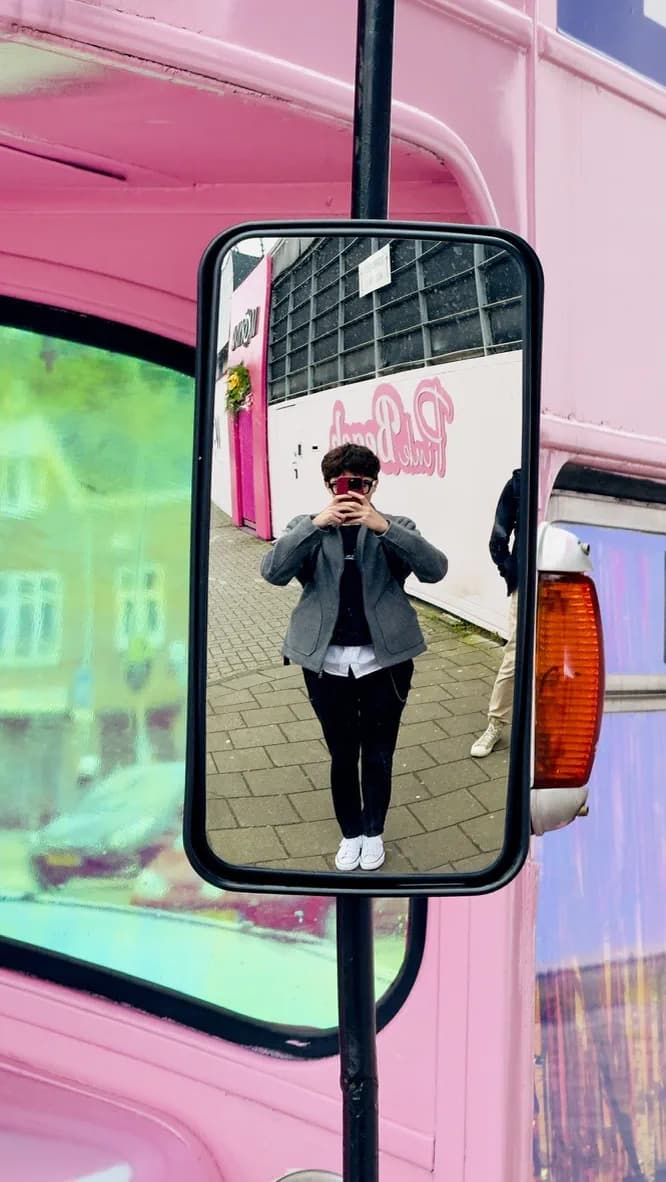
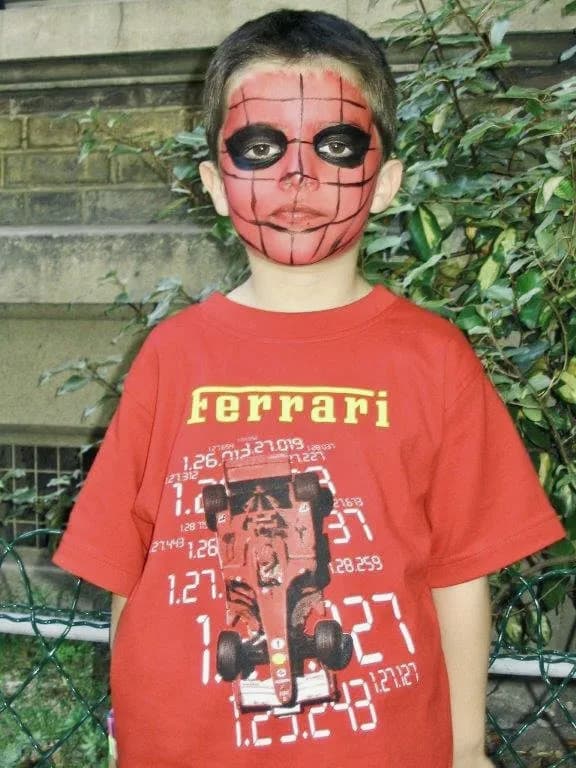
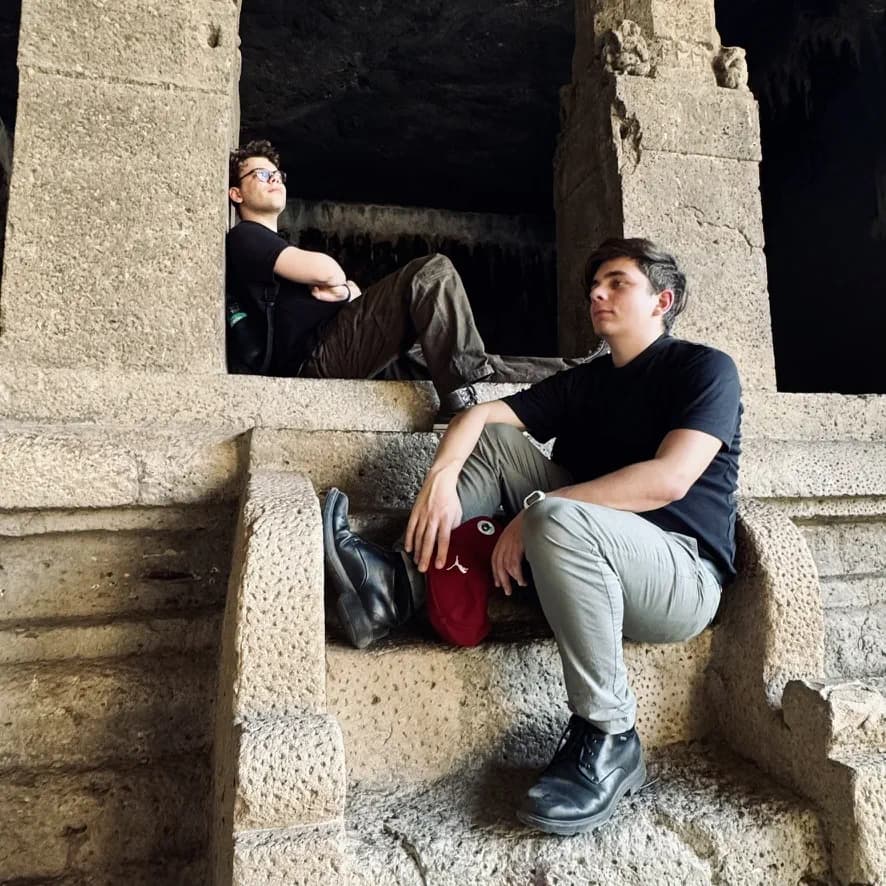
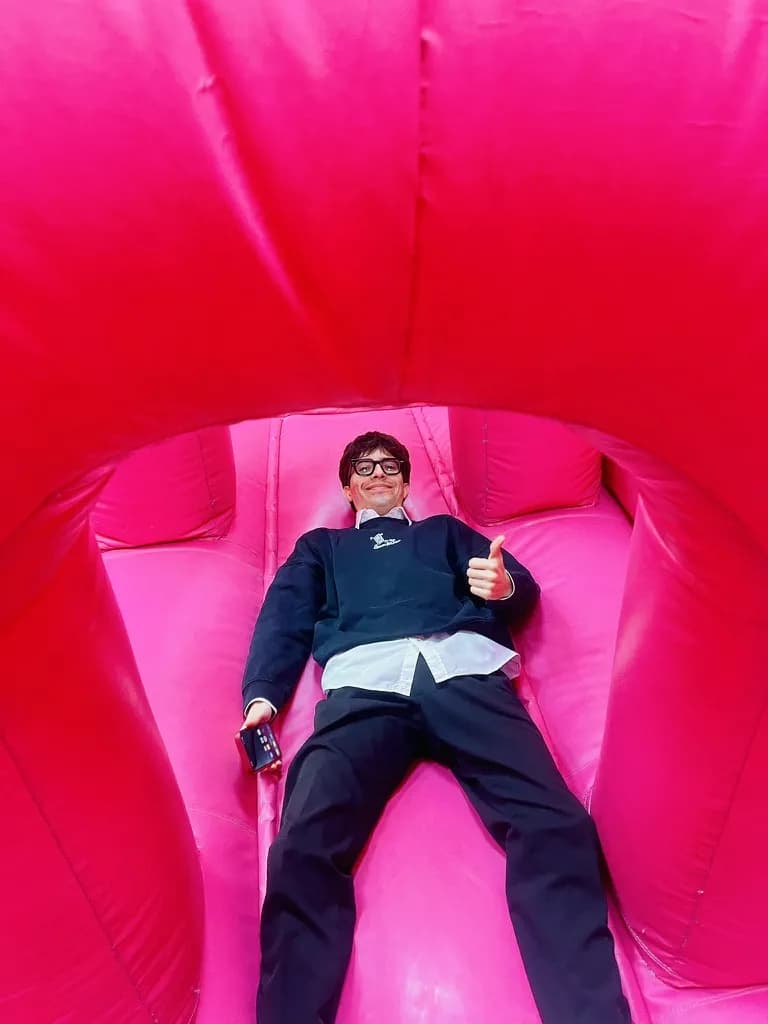
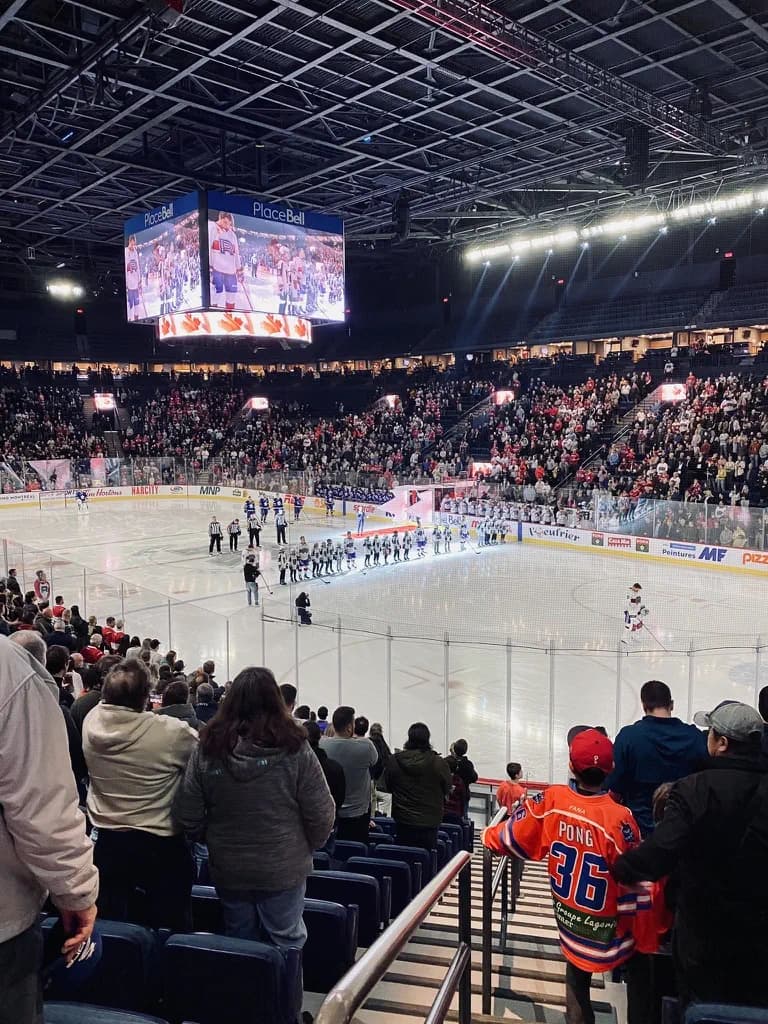
Slice of my life
Beyond the screen: bikes, food, places, and everything in between.











What I keepcoming back to.
Curious about my work?
Let's have a chat!
I spend most of my time where product design meets the work that makes it real: brand systems, interface decisions, and the front-end that ships them.
If you're building something and want a second opinion, looking to collaborate, or just curious where product design is heading, send a message - I read every one.